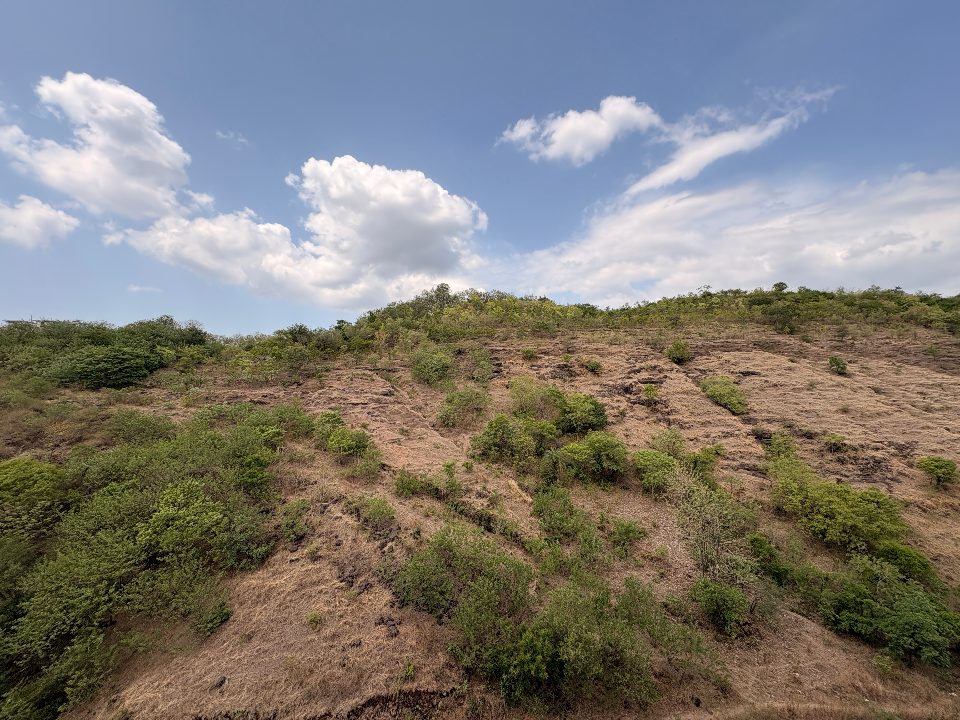
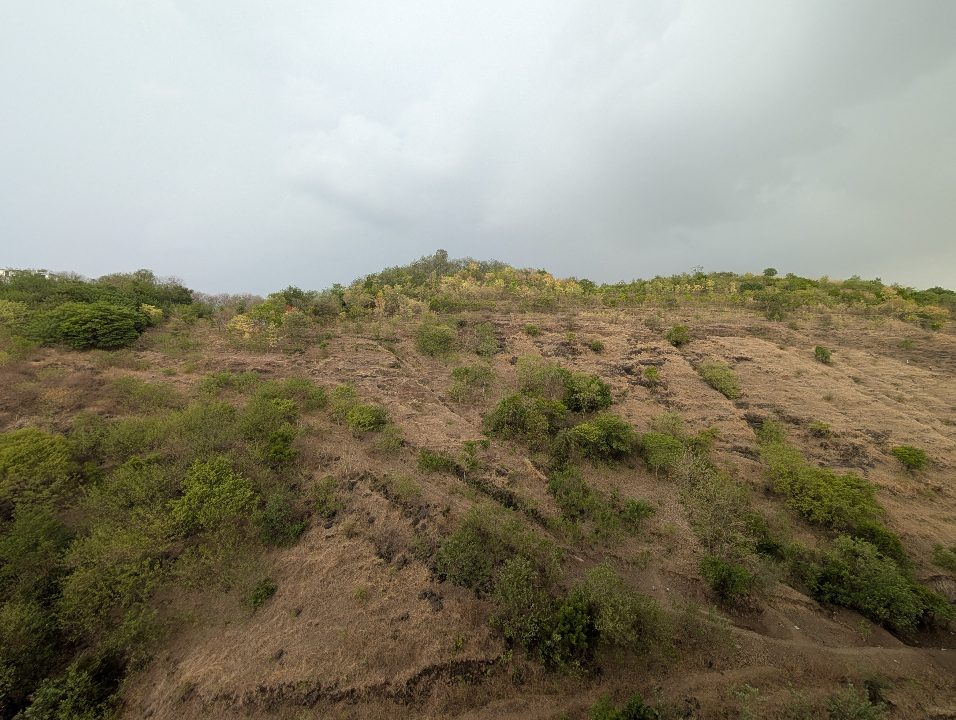
Every restoration journey grows because of people.
This morning, we welcomed Sarvi, who travelled all the way from Wakad, nearly 10 kilometres away, to join us on Baner Hill. For many, that might seem like a long drive for a couple of hours of digging. But after hearing his story, the distance suddenly didn't seem remarkable at all.
For the last year or two, Sarvi has been spending his weekends at Ghordeswar Hill, around 21 kilometres from his home, carrying water in jerry cans to look after a handful of trees he had planted there. Week after week, he has returned to water them, ensuring they survive through the dry months. His dedication has had a ripple effect.
Seeing his commitment, three or four other volunteers have gradually joined him, helping plant and care for even more trees. It was a beautiful reminder that conservation has a way of inspiring others. Sometimes, all it takes is one person quietly showing up every weekend.

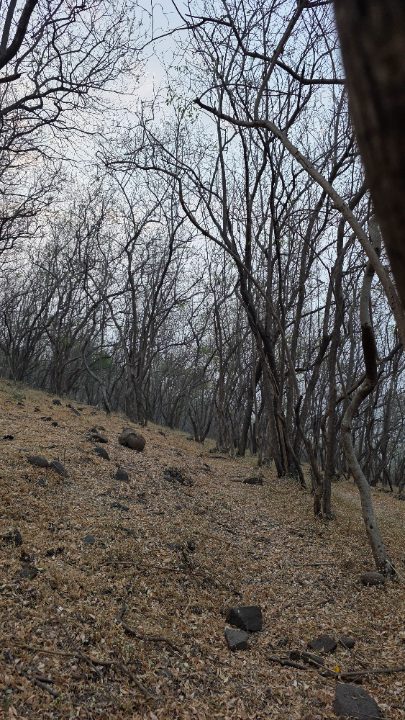
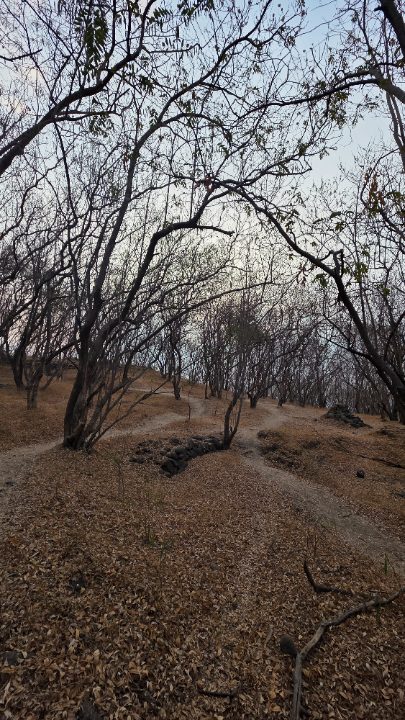
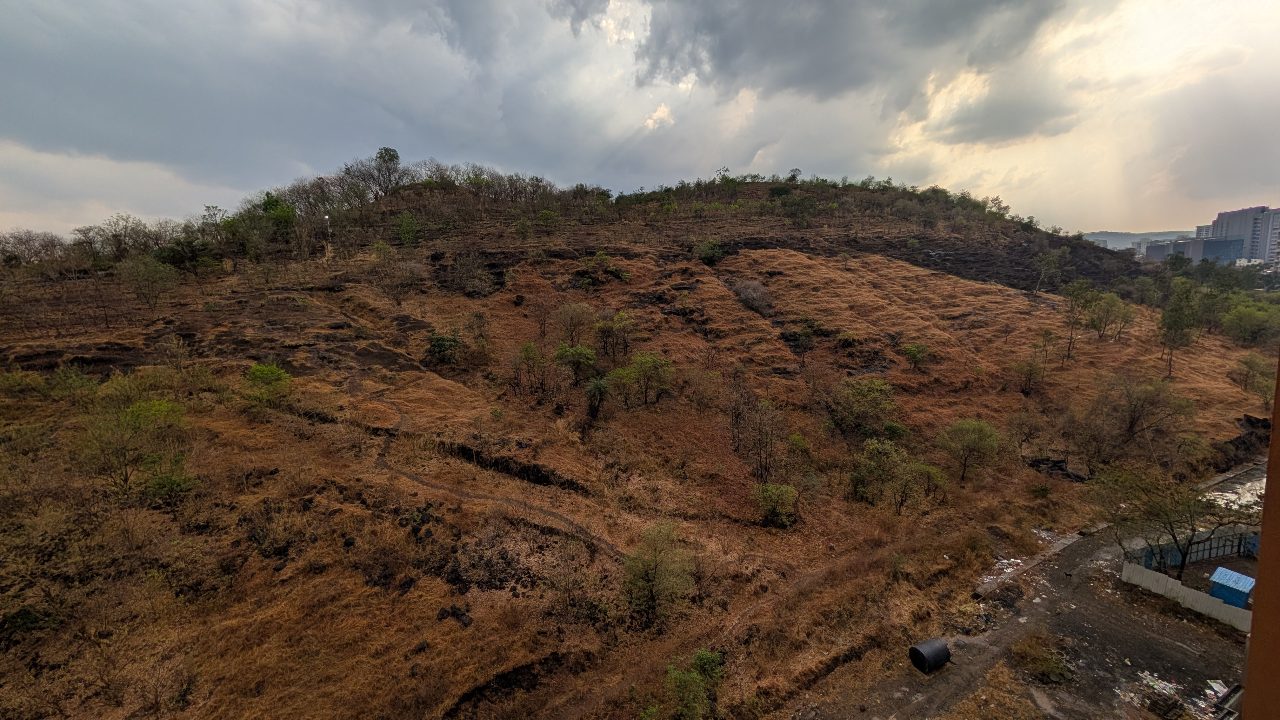
Inspired by that same spirit, eight volunteers gathered on Baner Hill this morning. Together, we dug two new contour trenches and revived two older ones, steadily preparing more of the hillside to capture the coming monsoon rains.
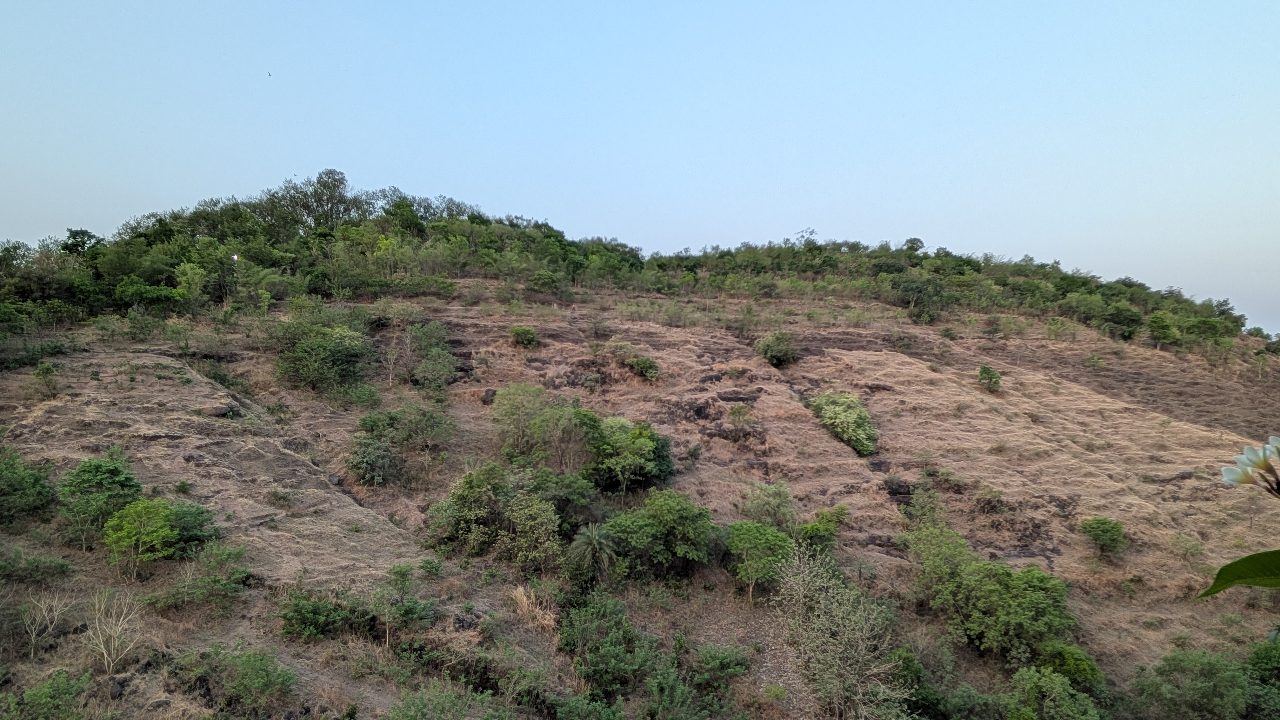
As we worked, our attention kept returning to one small part of the hill. We've started calling it the "Mother Patch."Unlike the surrounding landscape, this patch has an established support system that has already survived multiple summers and monsoons. It is noticeably greener and home to several mature trees and shrubs.
One tree, in particular, caught everyone's attention.
A palm tree.
Given the rocky terrain and dry conditions on this part of Baner Hill, seeing a healthy palm tree thriving here feels almost unexpected. Yet it stands surrounded by other vegetation, almost like a tiny island of life in the middle of a much harsher landscape.
That led to an interesting discussion. What if the strength of this patch isn't just the individual trees, but the invisible network beneath them? Tree roots are known to form relationships with underground fungi, creating what scientists often refer to as mycorrhizal networks. These networks can help neighbouring plants exchange nutrients, water and chemical signals, making an established patch more resilient than isolated trees growing on their own. Our restoration area lies roughly 20 to 30 metres away from this green island. Could we gradually extend our efforts towards it and allow future plantings to benefit from the existing ecological support system? It's an exciting thought, and one we'll continue exploring as the project grows.
 fruit of a Bartondi tree
Nature also rewarded us with another discovery. Within the Mother Patch, we spotted Bartondi (Morinda citrifolia), a fruit-bearing tree belonging to the coffee family, Rubiaceae. It is better known internationally as Indian Mulberry, Great Morinda, or Noni. In Maharashtra, it is commonly called Bartondi, a name believed to have originated from "bara tondi", meaning "twelve faces", referring to the fruit's distinctive segmented appearance.
Moments like these remind us why restoration is so rewarding. You set out expecting to dig trenches. Instead, you end up learning from people, discovering plants you've never noticed before and seeing an entire landscape through a different lens.
Every visit reveals something new. And perhaps that's what keeps bringing us back
Satellite NDVI timelapse — 5 years × 6 same-month snapshots — will appear here, powered by Planet Labs imagery, showing how Baner Hill's vegetation has changed season by season.