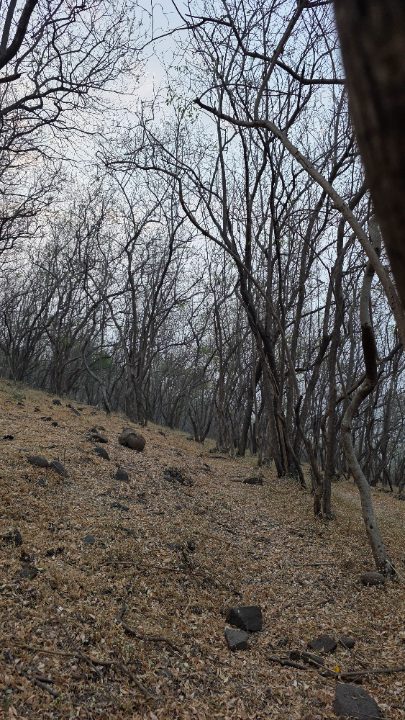
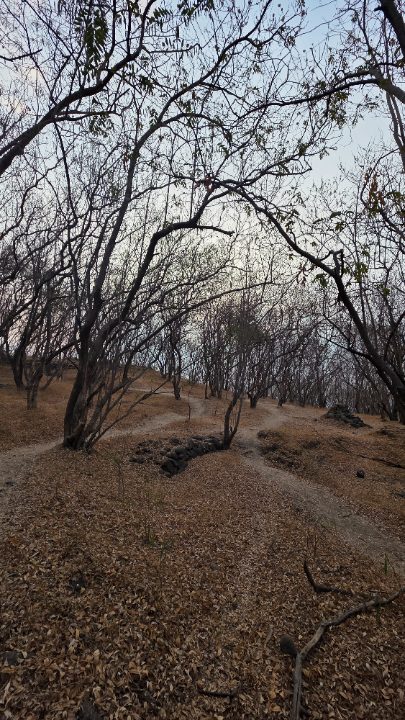
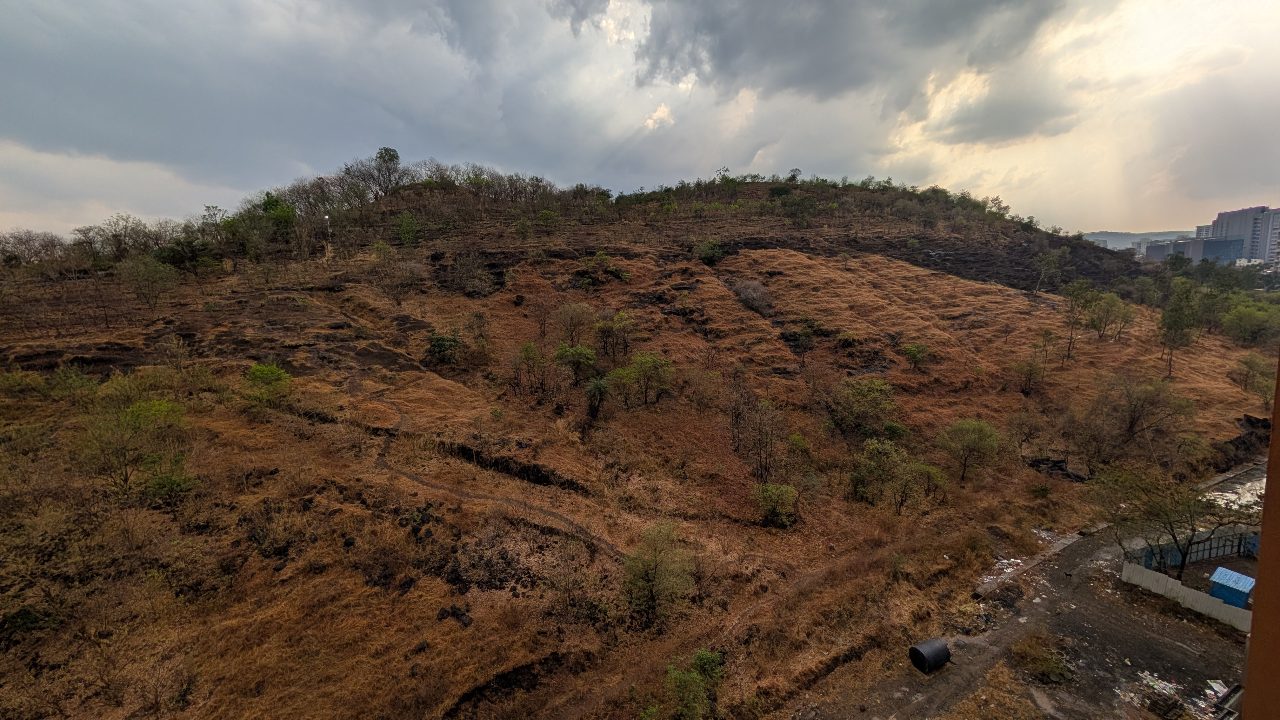
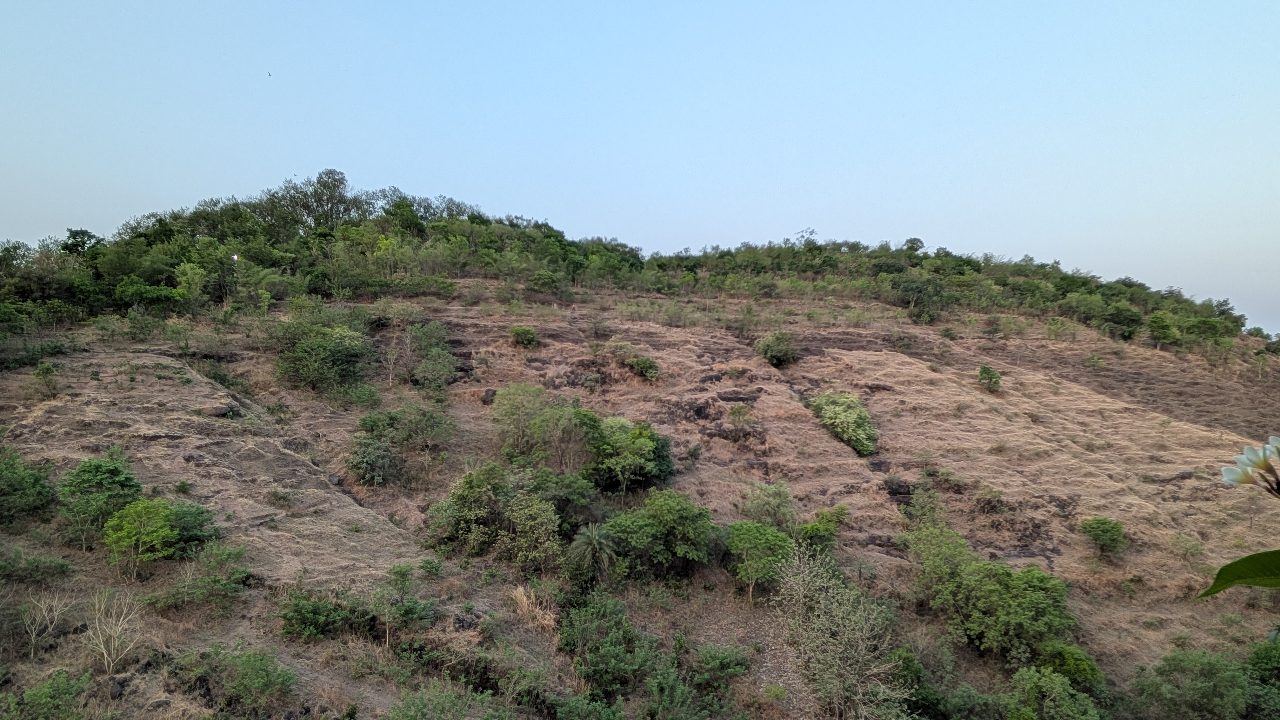
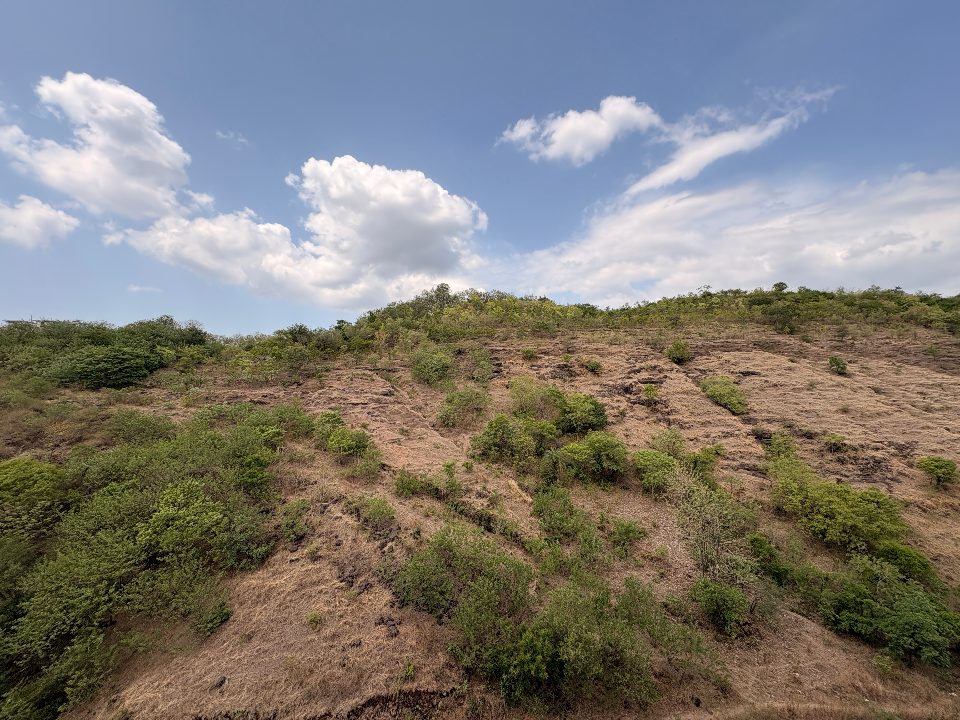
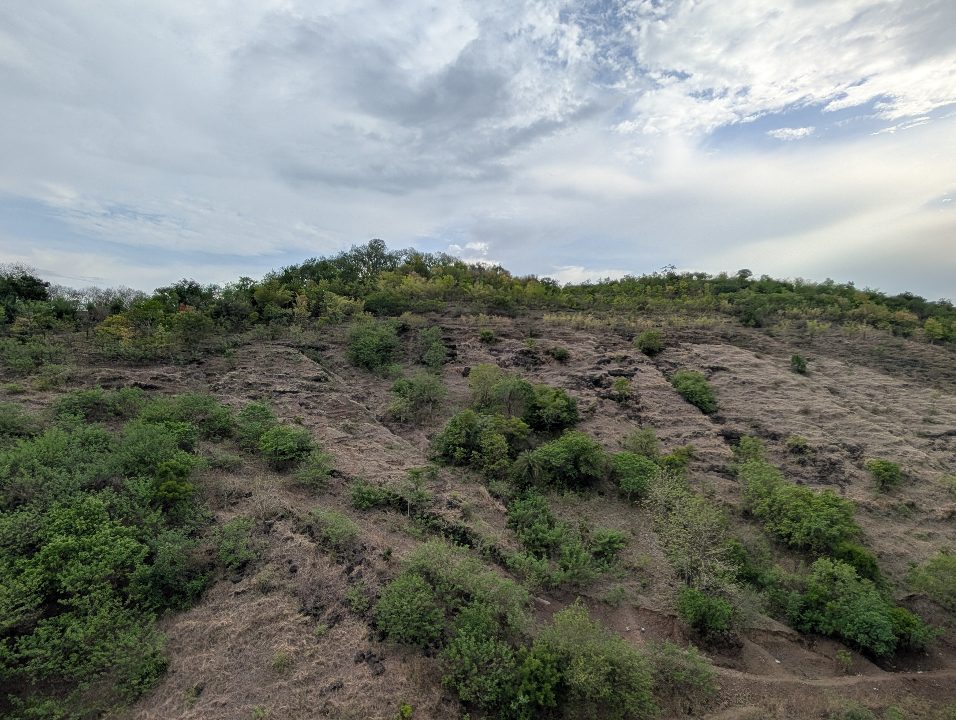
The monsoon has finally started making its presence felt.
The first few showers have softened the hill ever so slightly, and with the rains arriving, our focus has now shifted to the next stage of restoration.
For the first time, we started digging planting pits.
It may seem obvious that planting begins with a sapling, but experienced restoration groups know otherwise. A healthy forest begins with good preparation.
The team at Vrindavan, who have spent over 12 years restoring another part of Baner Hill, had shared an important piece of advice with us.
Planting should begin only after two or three good spells of rain and ideally be completed before the middle of August. This gives young saplings enough time to establish their roots while the monsoon is still active, greatly improving their chances of surviving their first summer.
With that in mind, three of us spent the morning preparing the hill for the weeks ahead.
Digging the pits proved to be far more challenging than we had imagined.
Although the surface appeared manageable, we often hit solid rock just half a foot to one foot below the ground. Every pit demanded patience, teamwork and plenty of persistence.
By the end of the morning, we had completed 10 planting pits.
 Pits
Pits
Another valuable lesson was about spacing.
Rather than planting trees close together, they recommended maintaining at least five feet of distance between pits, both horizontally and vertically. Giving every sapling enough space allows it to develop a healthy canopy and root system while reducing competition for sunlight, water and nutrients.
Sometimes, planting fewer trees in the right places is better than planting many without enough room to grow.
The most satisfying part of today's work, however, involved a single young tree.
On one of our earlier visits, we had noticed a lone Karanj tree (Pongamia pinnata) that had quietly survived on the hill for more than a year without any special care.
The local volunteers have affectionately nicknamed it "The Freedom Fighter."

Standing on a steep slope, it had managed to survive the harsh summer almost entirely on its own.
Today, we decided to give it a little helping hand.
We added fresh soil around its base, creating a larger and more stable mound to support its roots. The sloping ground around the tree was carefully reshaped into a flatter basin, and we built a horseshoe-shaped water harvesting ring around it. Once the monsoon gathers strength, rainwater flowing downhill will naturally collect inside this basin, allowing more water to soak into the soil exactly where the tree needs it.
It was a small intervention.
But sometimes, a few extra minutes spent caring for a tree can make the difference between merely surviving and truly thriving.
As we packed up our tools, the pits lay ready, waiting for the next few showers before they receive their new residents.
For now, the hill is preparing itself.
And so are we.
Satellite NDVI timelapse — 5 years × 6 same-month snapshots — will appear here, powered by Planet Labs imagery, showing how Baner Hill's vegetation has changed season by season.