Not every morning on the hill has a big story. And perhaps that's a good thing.
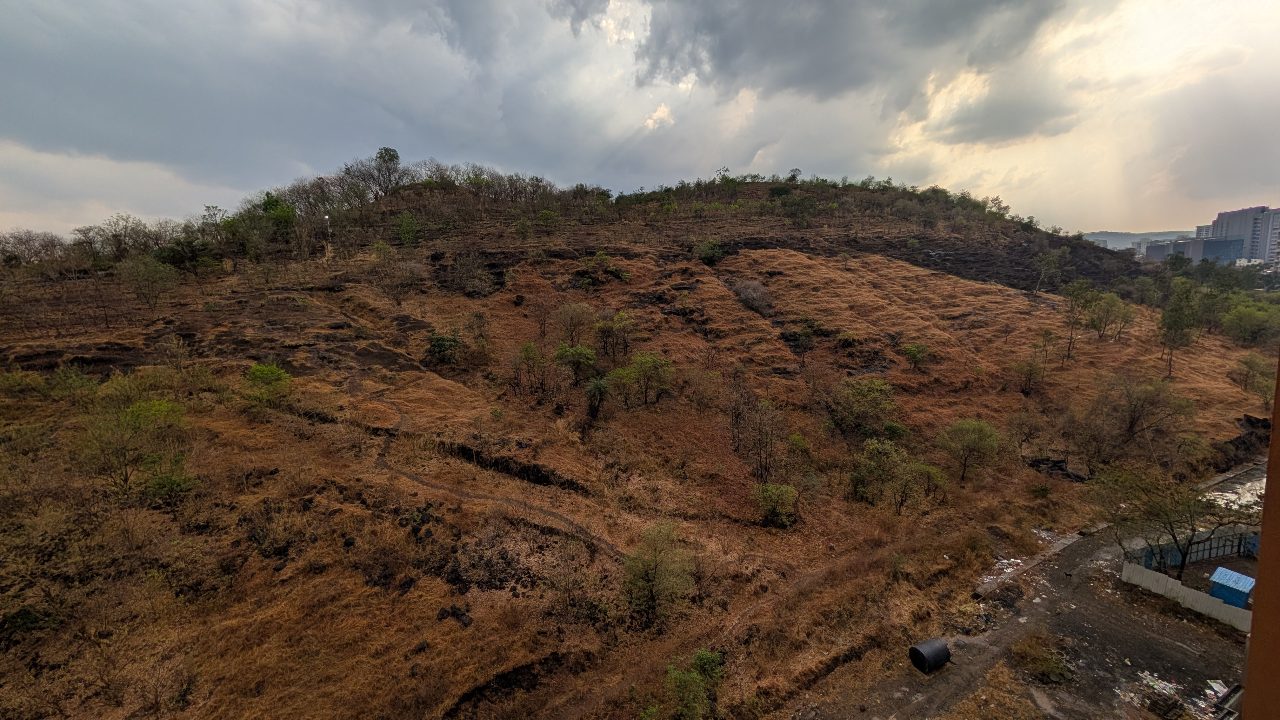
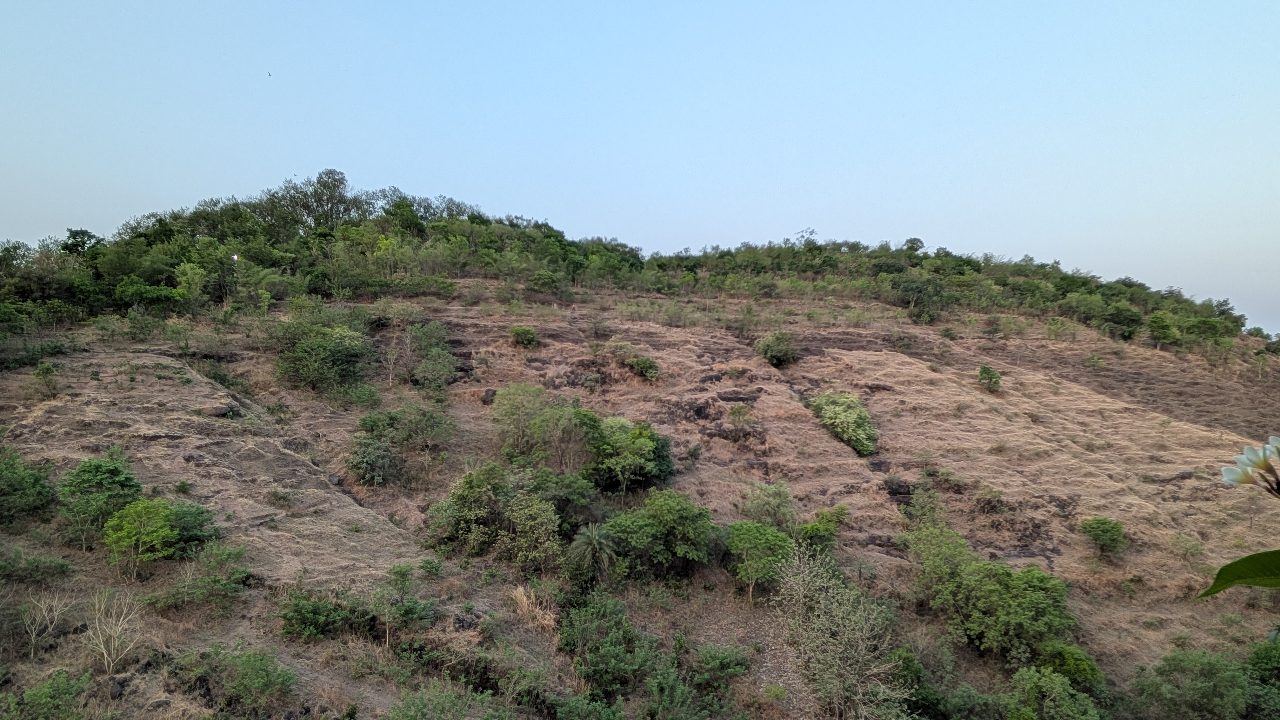
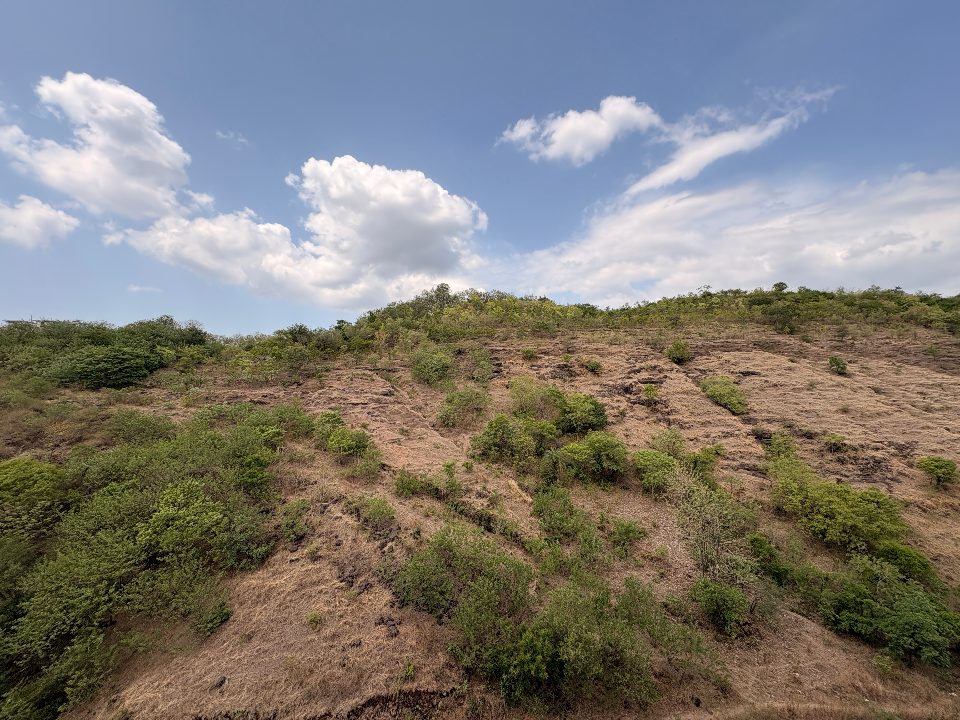
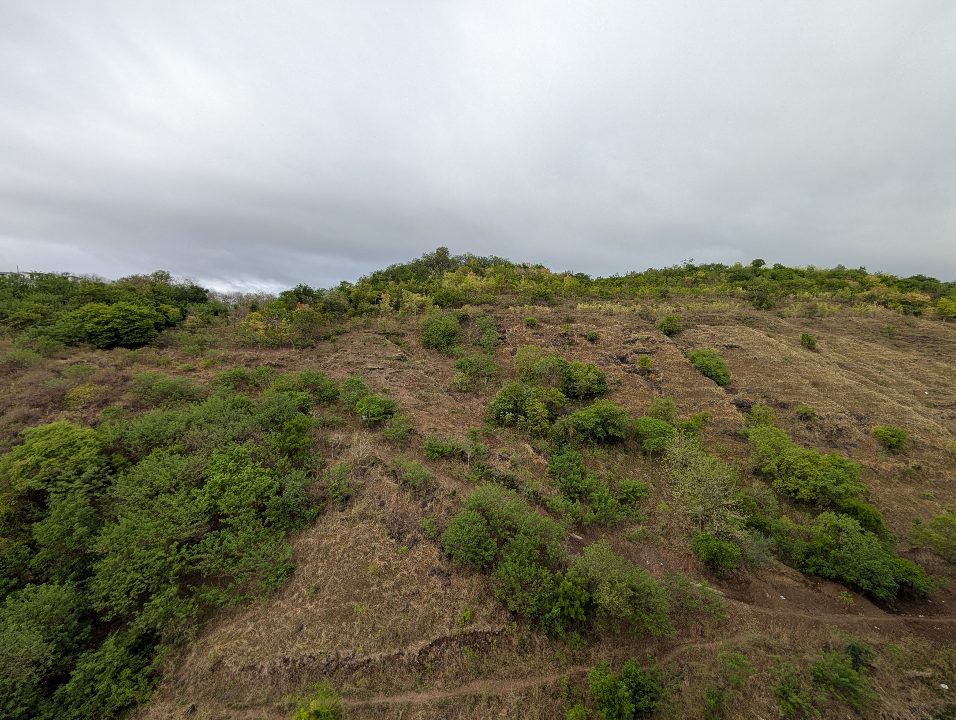
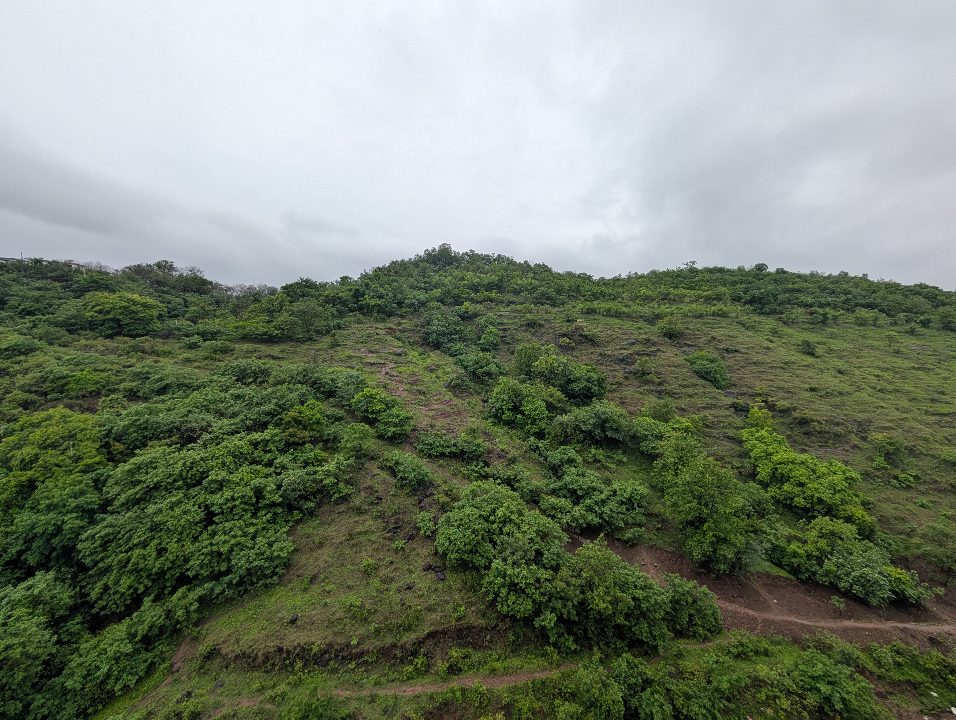
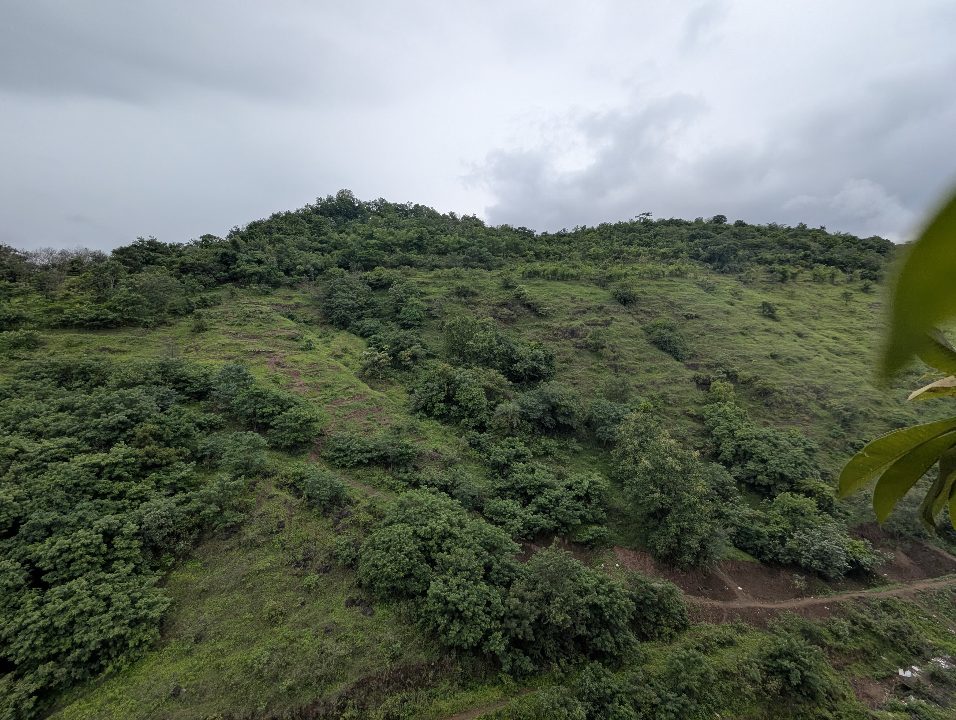
Six of us were back at Vrikshaangan this Sunday morning. The monsoon has now completely transformed the hill, and much of the landscape around us is green and full of life.
We spent most of the morning doing the regular work that has now become part of our routine.
Checking the plants. Looking at the trenches. Cleaning and tending to the areas that need attention.
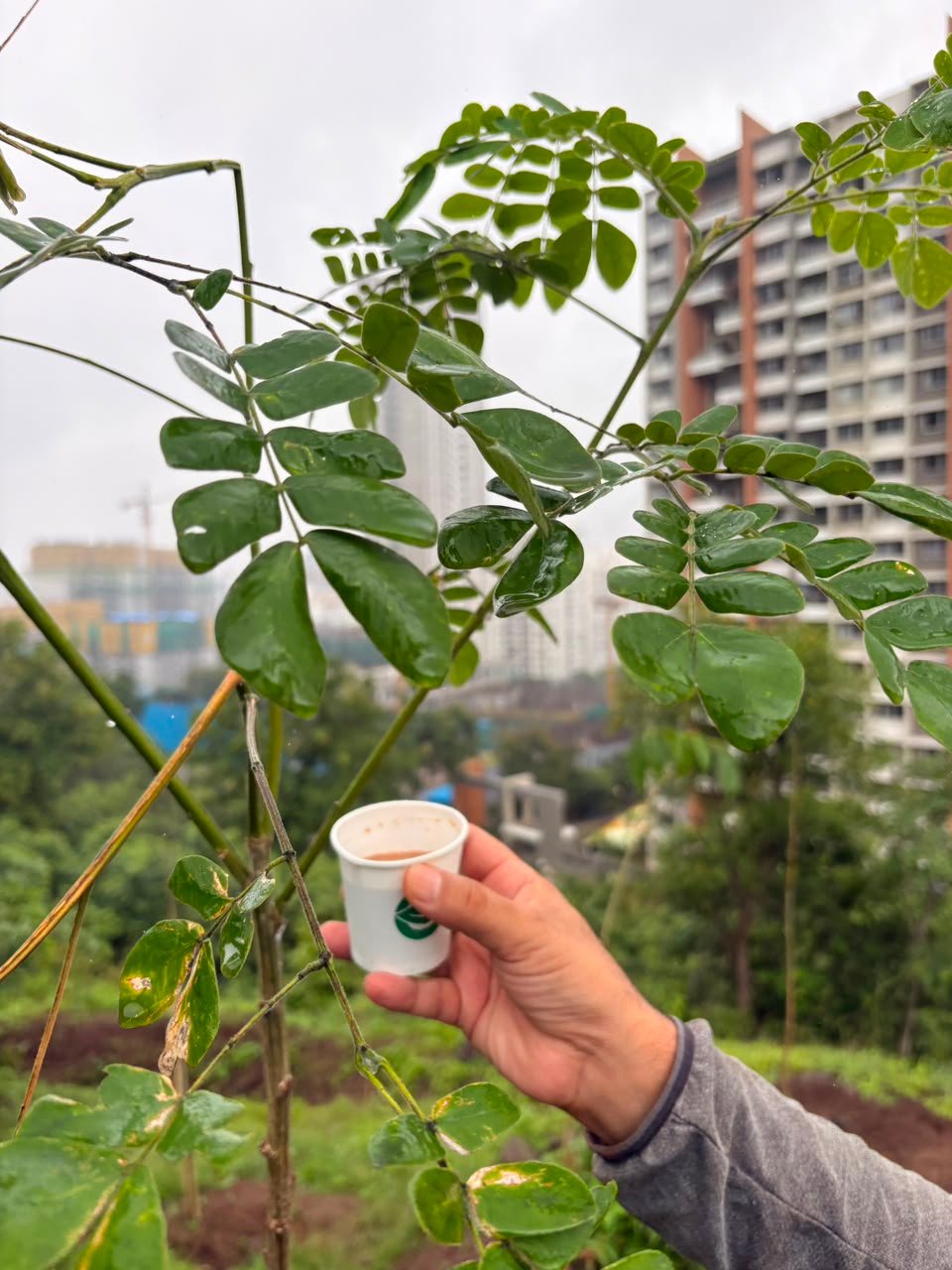
Making sure the young trees are settling in well.
And, of course, we planted two more trees. That takes the total number of trees planted in Vrikshangan to 68.
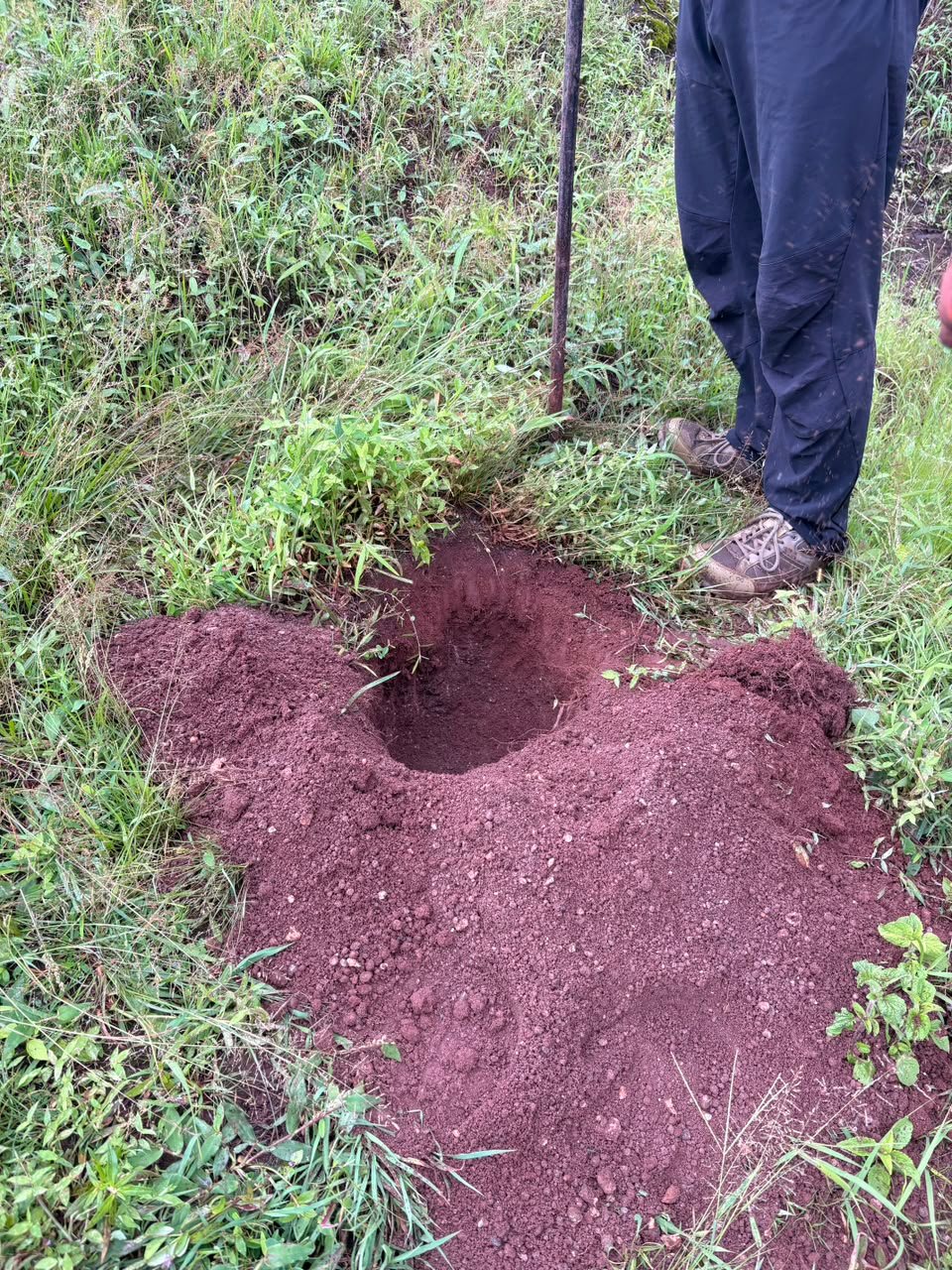
Two trees may not sound like much.
But we've learnt that restoration isn't really about how many trees you can plant in a day. It's about whether you can keep coming back to look after the ones you've already planted.
The excitement of plantation day eventually fades.
The watering remains. The checking remains. The repairs remain. The questions remain.
And so does the responsibility.
A few months ago, we were wondering whether we could even get 50 trees planted.
Today, 68 young trees are growing on this little patch of Baner Hill, and six people still thought it was worth waking up and coming to the hill on a Sunday morning.
There was nothing spectacular about today's session.
Just another morning. Just another couple of hours. Just another two trees.
And perhaps that is exactly how a forest begins.
Not with one extraordinary day, but with ordinary people continuing to show up.
Satellite NDVI timelapse — 5 years × 6 same-month snapshots — will appear here, powered by Planet Labs imagery, showing how Baner Hill's vegetation has changed season by season.