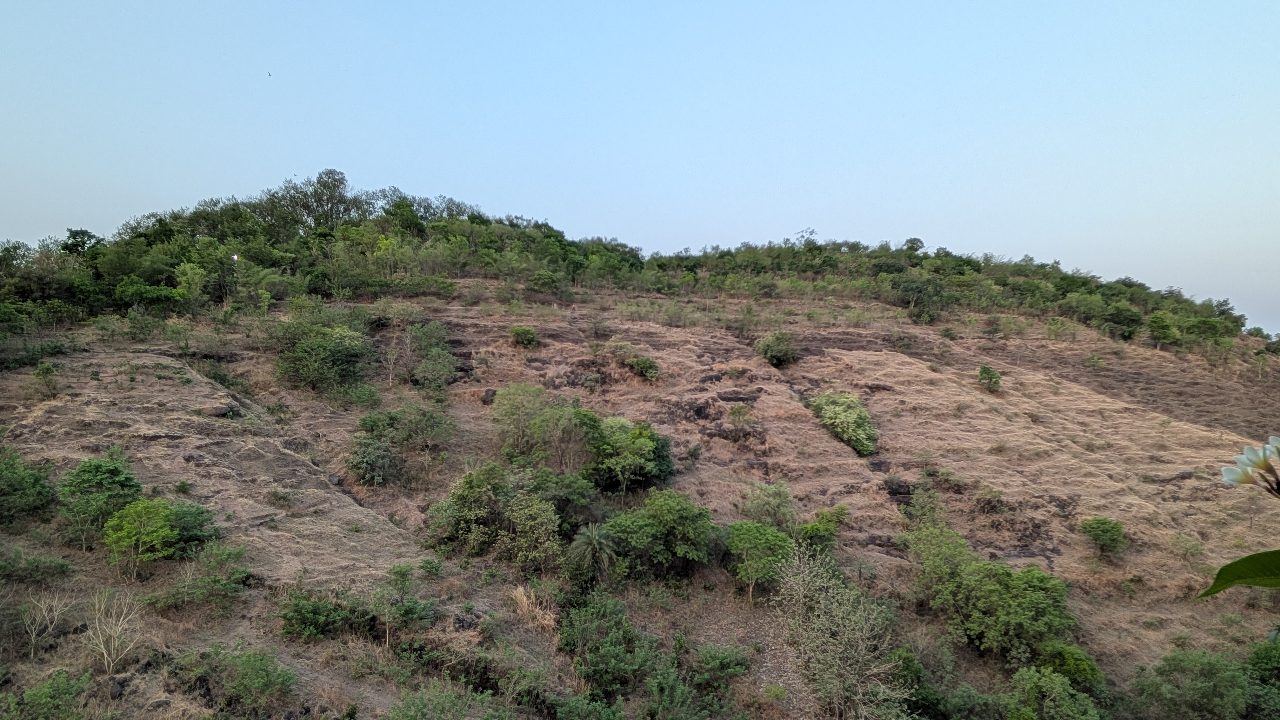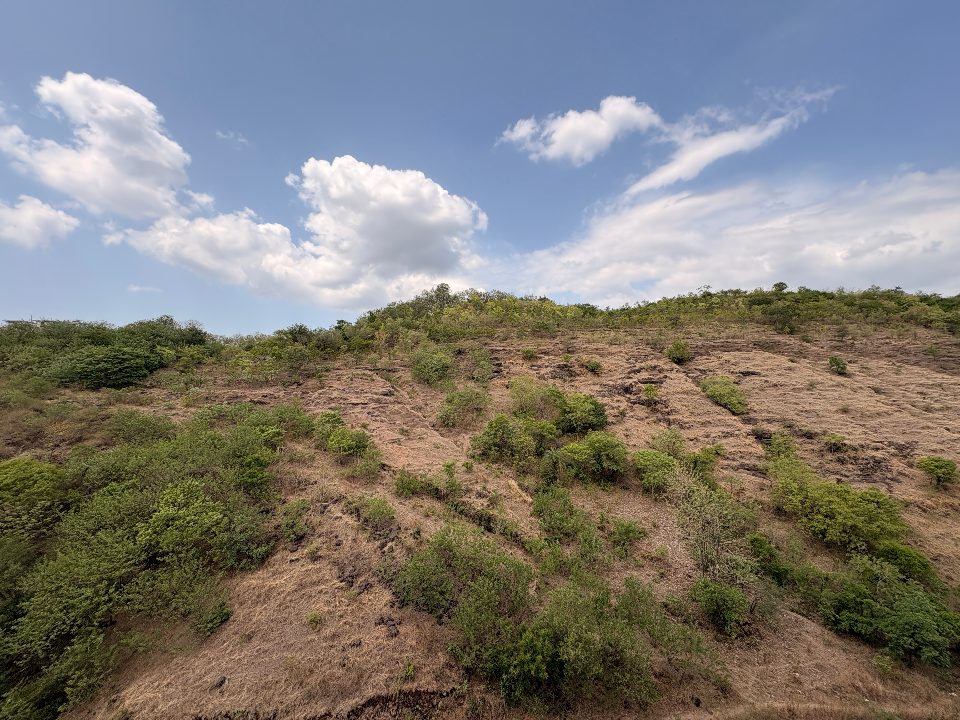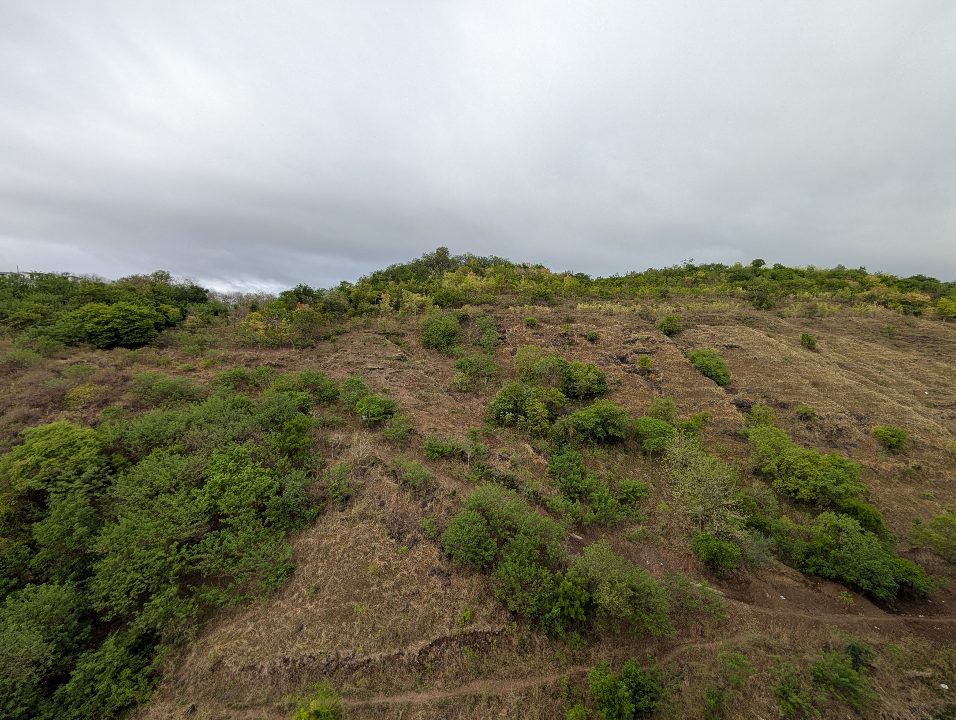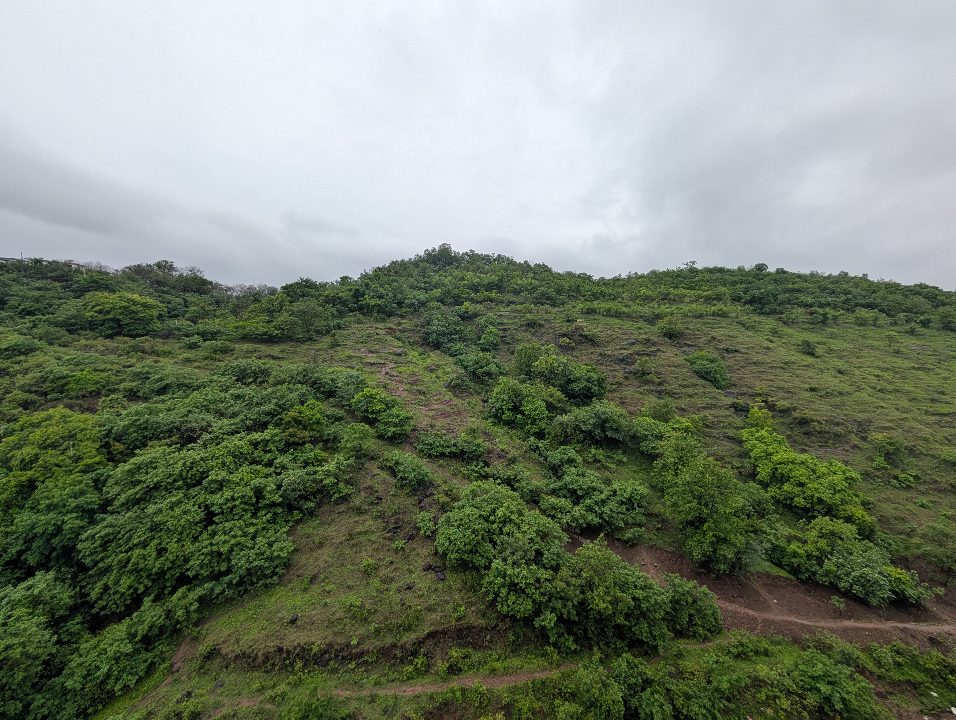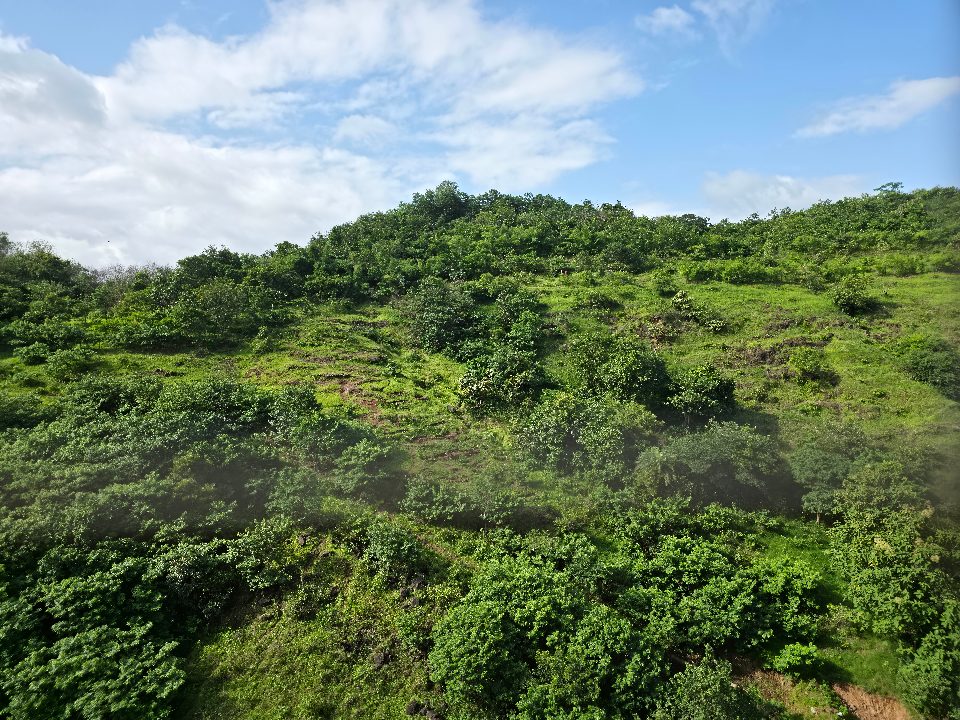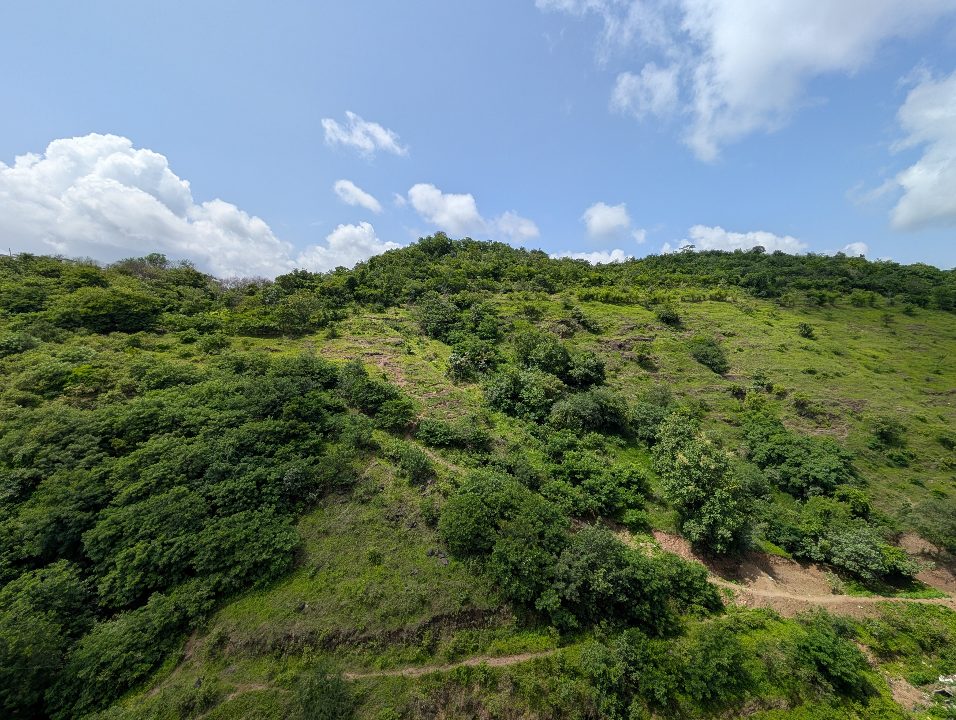
Three months.
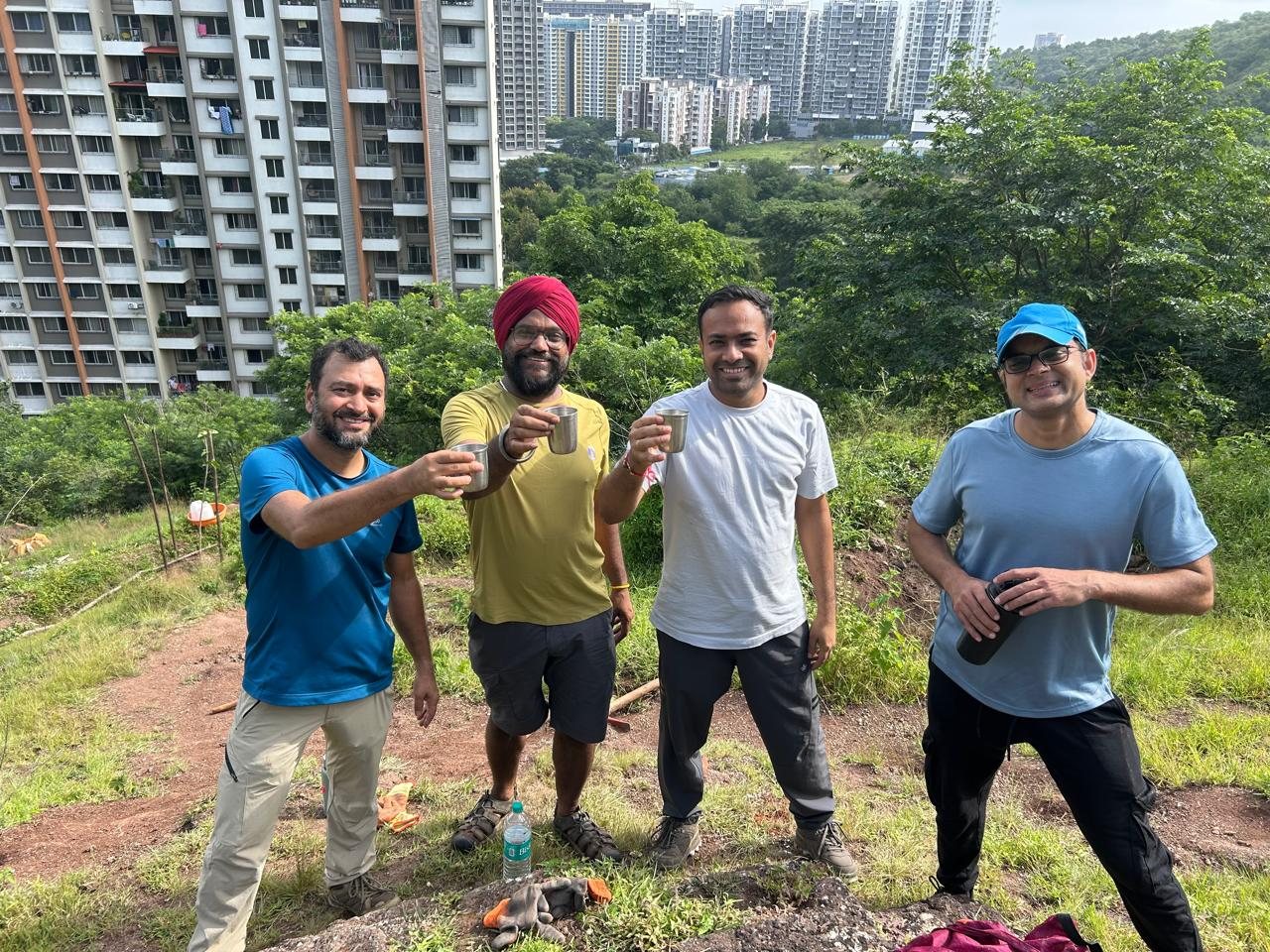
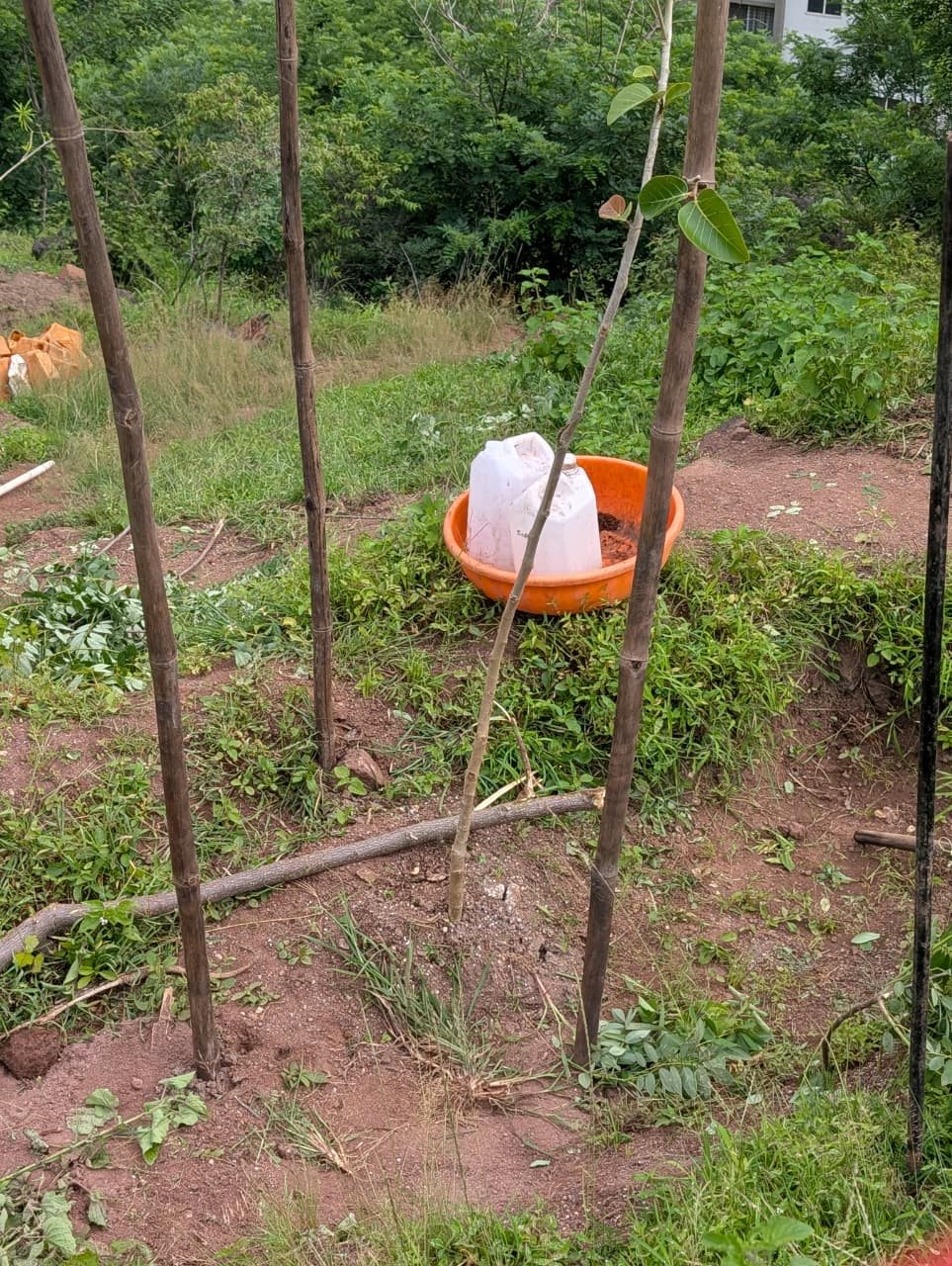
That's all it has been. On 5 June, a small idea brought a few of us onto this patch of Baner Hill. We didn't really know where it would go. We just knew that there was a part of the hill that felt a little too bare, and that perhaps we could do something about it. Today, three months later, six of us were back on the hill. And we planted seven Bougainvillea saplings along one side of Vrikshaangan. Partly to mark the boundary of our little patch. And perhaps, one day, to bring a little colour and flowers to this corner of the hill.
The monsoon is beginning to retreat
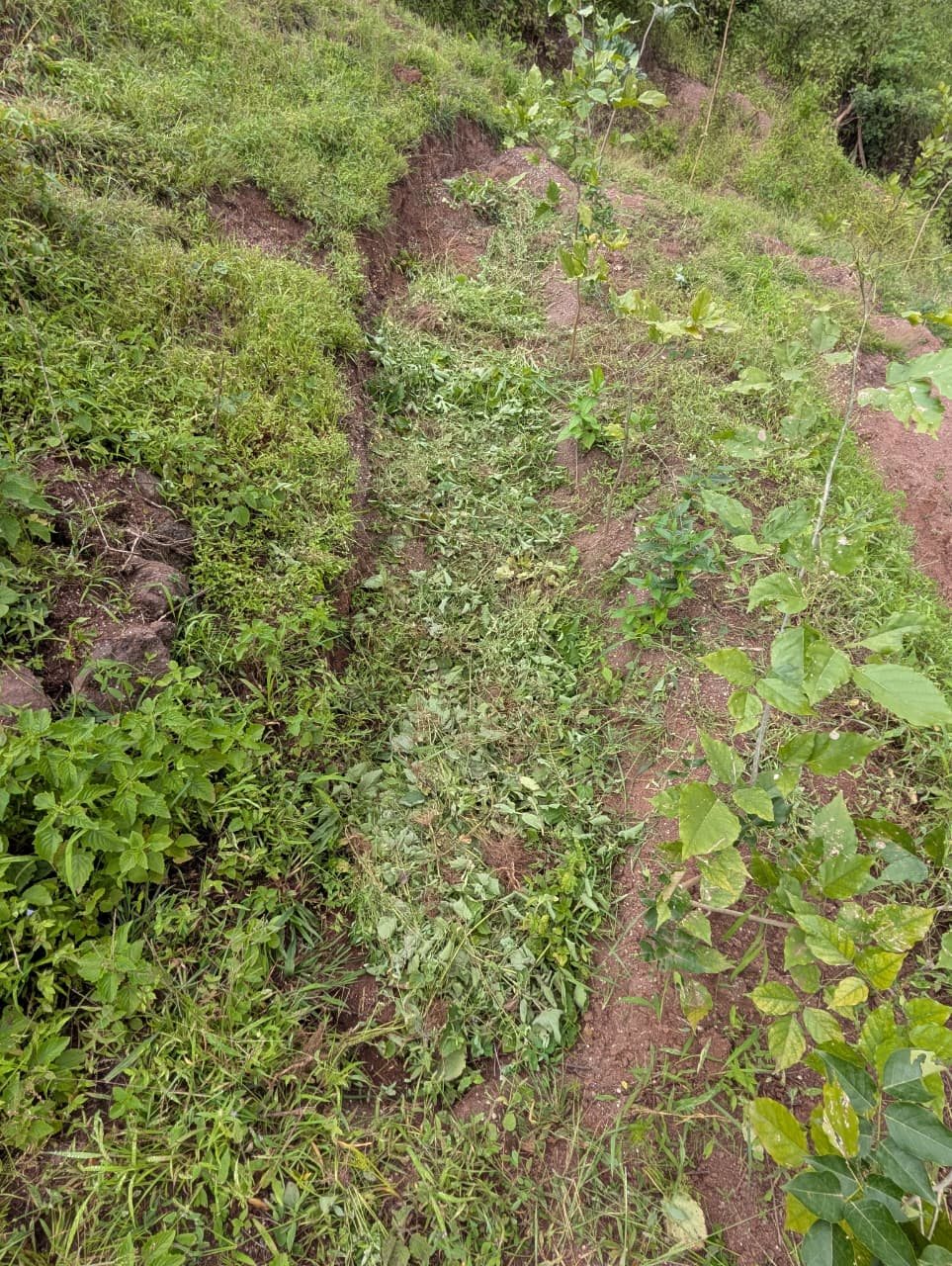
With the rains slowly easing, our work is changing again. We are no longer thinking about digging and planting alone. We are removing the grass and short shrubs growing around the trenches and young trees, and putting this natural material back into the trenches. It will help cover the soil, slow down evaporation and, as it breaks down, return some goodness to the soil.
It feels good to see that even what we remove from the hill can find its way back into the hill.
Nothing wasted. Just part of the cycle.
Now comes the hard part
We have also started thinking seriously about water. The monsoon has been generous to us. But the trees will need us long after the rains leave. So we are now planning our water requirements and provisions for the next 10 months, until the next monsoon. This is probably the less glamorous part of restoration. Digging a pit and planting a tree feels wonderful. Carrying water uphill for months is a very different story. :)
But if we have decided to plant them, we owe them a fair chance to survive. And that means being prepared.
From one small idea to 500 trees
We don't plan to plant any more trees this season. Instead, we want to use the coming months to prepare properly. Understand the hill better. Plan the water. Prepare the pits and trenches. Learn from the trees we have already planted. And then, next year, hopefully plant 500 trees. Just writing that number feels a little crazy.
Three months ago, on 5 June, this was just a small idea. Today we are talking about 500 trees.
Wow.
Perhaps this is what happens when a good intention is followed by a little action, and then a little more action, and people keep showing up.
Every weekend.
In the heat.
In the rain.
With muddy shoes, tired arms and sometimes very sore backs.
But they kept coming. They came because they cared. They came to dig, plant, water, clean, protect and simply spend a few hours loving this little patch of the hill. And somewhere along the way, Vrikshaangan became much bigger than the original idea.
It became ours.
Not because we own it. Quite the opposite. Because we don't. We are just trying to make a little space for Nature to do what she knows how to do.
And I genuinely believe that if we keep showing up, keep learning and keep caring, something beautiful will happen here. We don't know exactly what it will look like. But we are excited to find out.
And for now, that's enough.
Satellite NDVI timelapse — 5 years × 6 same-month snapshots — will appear here, powered by Planet Labs imagery, showing how Baner Hill's vegetation has changed season by season.